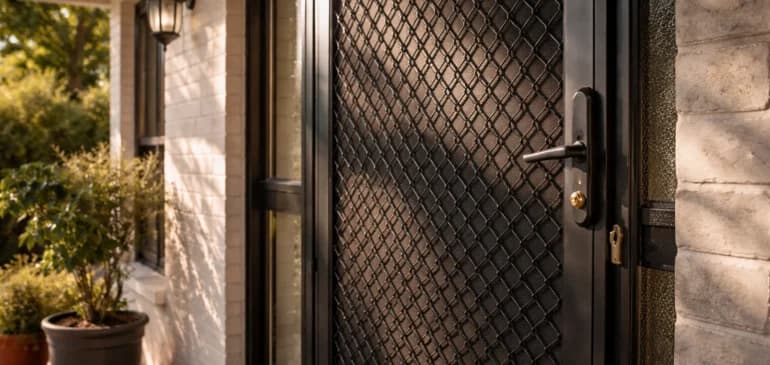
Understanding the Humidity Factor: Protecting Your Wooden Doors Singapore’s tropical climate, with its average humidity levels often exceeding 80%, poses a unique challenge for wooden doors. Wood is a hygroscopic material, meaning it naturally absorbs moisture from the air. This causes the wood fibers to swell, leading to doors that stick, scrape against the floor, or become difficult to close or lock properly. Over time, this constant swelling and shrinking can warp the door frame or crack the wood panels. To combat this, start by sanding down the rubbing areas lightly with medium-grit sandpaper (around 120-grit) until the door swings freely. However, sanding alone is a temporary fix. The crucial step is sealing the wood. Apply a high-quality, moisture-resistant varnish or polyurethane sealant to all exposed surfaces, paying special attention to the bottom edge and top edge, which are often neglected. For HDB main doors exposed to hallway conditions, consider adding a rubber weatherstrip to the frame. This not only reduces humidity absorption but also helps with noise insulation and prevents pests from entering. Mastering Sliding Door Track Maintenance Sliding doors are a popular feature for balconies, wardrobes, and shower enclosures in Singapore flats, but their tracks are notorious for accumulating dust, hair, pet fur, and fine sand carried in from outdoors. This grit acts like an abrasive, wearing down the rollers and creating friction that makes the door hard to slide or, in worst cases, jump off its track. A monthly cleaning routine is essential. Use a vacuum cleaner with a crevice tool to extract loose debris from the track. Follow up by wiping the track with a damp microfiber cloth wrapped around a flathead screwdriver or a butter knife to reach deep corners. For stubborn grime, a mixture of warm water and a few drops of dish soap works wonders. Once the track is clean and completely dry, lubrication is key. Avoid oil-based lubricants like standard WD-40 or cooking oil, as these attract more dust and turn into a sticky, glue-like paste over time, jamming the rollers. Instead, use a silicone-based spray lubricant or a dry PTFE lubricant. Spray sparingly along the track and on the roller wheels, then slide the door back and forth several times to distribute evenly. This will keep your sliding doors operating smoothly for years. Professional Lock Mechanism Care Your door locks are the first line of security for your home, yet they are often ignored until they become stiff or fail. The high humidity in Singapore can cause internal metal components to rust or corrode, while dust and lint can accumulate inside the keyhole mechanism. To maintain smooth operation and prevent your key from breaking off inside the lock, an annual lubrication is recommended. The best product for this is powdered graphite. Graphite is a dry lubricant that does not attract dust or gum up over time. Insert the nozzle of the graphite dispenser into the keyhole and give a short squeeze (usually 2-3 puffs). Then, insert the key and turn it back and forth several times to work the powder into the pins and springs. Wipe off any excess powder from the key and lock face. Avoid using standard WD-40 for this purpose. While WD-40 might temporarily free a stuck lock, it is a solvent and water-displacer, not a true long-term lubricant. It will dissolve any existing grease, then evaporate, leaving behind a sticky residue that attracts dirt and can cause the lock pins to jam permanently, often requiring a full lock replacement. Additional Pro Tips for Door & Lock Care 1. Inspect Hinges Quarterly Loose or squeaky hinges can misalign the door. Tighten screws and apply a drop of silicone spray. 2. Weatherproof Regularly For doors facing corridors or balconies, add a weatherproof seal to reduce humidity absorption. 3. Upgrade to Rust-Resistant Locks Stainless steel or brass locks last longer in Singapore’s climate compared to cheaper alloys. 4. Clean Handles and Knobs Use mild soap and water to prevent grime buildup. Avoid harsh chemicals that strip protective coatings. 5. Schedule Annual Professional Check A locksmith can spot early signs of wear in mechanisms that homeowners often miss.
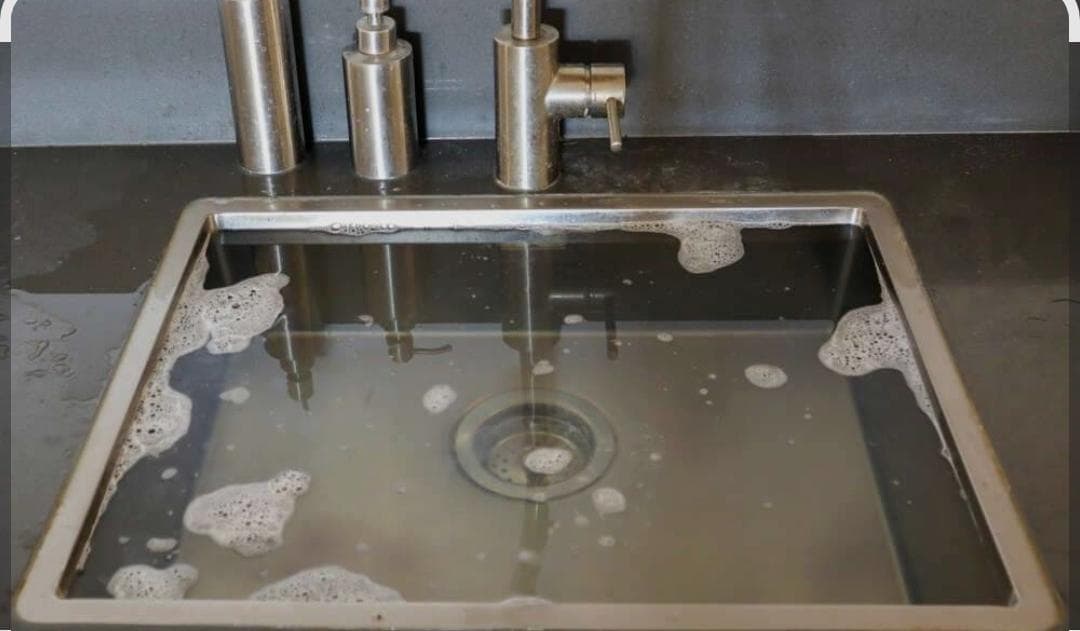
Preventing Kitchen and Bathroom Chokes in Singapore Homes In a tropical city where humidity and daily cooking are constants, clogged drains are one of the most common household headaches. The good news? With a few simple habits and regular maintenance, you can prevent most chokes before they even start. Think of this guide as your quick checklist for keeping water flowing freely. Kitchen Grease Traps and Food Waste Management The kitchen sink is the most common source of drainage chokes in Singapore households. The primary culprit is liquid fats, oils, and grease (FOG). When you pour hot oil or greasy pan drippings down the sink, they travel through the pipes as a liquid. As they cool, they solidify and adhere to the inner walls of your pipes, much like cholesterol building up in arteries. Over time, this layer thickens, trapping food particles and eventually creating a complete blockage. To prevent this: 1. Never pour cooking oil or gravy down the drain. 2. Wipe oily pans with paper towels before washing. 3. Use a fine-mesh strainer to catch food scraps. 4. Perform a monthly flush with baking soda + vinegar, followed by boiling water. 5. Avoid chemical drain cleaners—they erode pipes over time. Bathroom Floor Traps and Shower Drain Maintenance Bathroom chokes are almost always caused by a combination of hair, soap scum, and body oils. Hair forms a tangled mesh that catches other debris, creating dense clogs deep within the trap. Prevention tips: • Install a mesh hair catcher over your floor trap. • Clean the catcher every 2–3 days to avoid odors. • Remove the trap cover weekly and scrub away sludge. • Use enzymatic cleaners monthly for eco-friendly maintenance. Knowing When to Call a Professional for Choke Clearing DIY methods work for minor clogs, but some blockages require professional tools. Call a plumber if: - Water drains very slowly despite cleaning. - You hear gurgling sounds when using other fixtures. - Persistent sewage-like smells return quickly after cleaning. Professionals use high-pressure water jetting (3,000 PSI) and inspection cameras to clear deep blockages safely. Extra Preventive Tips 1. Educate family members not to flush wipes or sanitary products. 2. Keep a small drain snake handy for quick fixes. 3. Schedule annual professional maintenance for older plumbing systems. 4. Consider installing drain covers in laundry areas to catch lint.
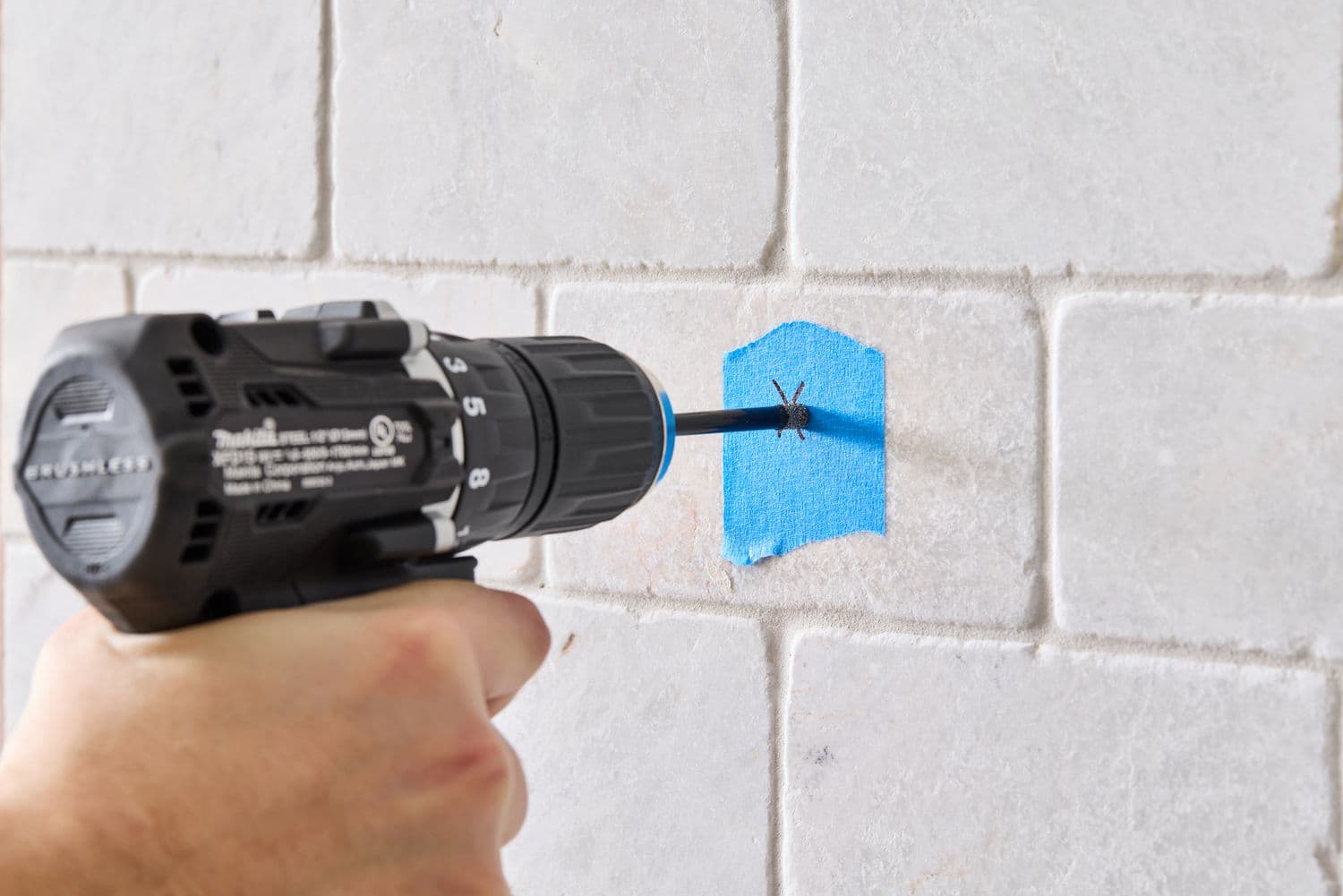
Drilling Into Tiles Without Cracks In Singapore homes, bathroom and kitchen tiles are often glossy, dense, and unforgiving. A single mistake can leave you with a cracked tile that is costly to replace. With the right preparation and technique, you can mount accessories safely and professionally. This guide covers the essentials and adds practical tips you can follow step by step. Identifying Your Tile Type: The First Critical Step Not all tiles are created equal, and using the wrong drill bit is the number one cause of cracked, shattered tiles. In Singapore homes, you will most commonly encounter two types: ceramic and porcelain. Ceramic tiles are made from red or white clay and are fired at a lower temperature. They are more porous and softer, making them easier to drill. Porcelain tiles, on the other hand, are made from finer, denser clay and fired at extremely high temperatures. This makes them harder, less porous, and much more brittle. To tell them apart, look at the unglazed edge or back of a spare tile. Ceramic will have a more porous, often reddish or lighter-colored body. Porcelain will look very dense, glassy, and often the same color all the way through. For ceramic tiles, you need a carbide-tipped masonry bit. For porcelain, you absolutely must use a diamond-tipped drill bit. Diamond bits grind through the hard surface rather than cracking it. Attempting to use a standard metal or even carbide bit on porcelain will generate intense heat, dull the bit instantly, and almost certainly crack the tile. The Masking Tape Trick for Slip-Free Drilling One of the most frustrating and common mistakes is the drill bit "walking" or sliding across the smooth, glossy surface of a tile as you start drilling. This slip can leave deep, ugly scratches or cause the drill to suddenly jump and hit the tile edge, cracking it. The simple and effective solution is the masking tape method. Cut a small square of standard painter's masking tape (blue tape works best as it leaves no residue). Press it firmly onto the exact spot where you want the hole. Then, using a permanent marker, draw a small cross or dot on the tape to mark your drilling point. The texture of the tape gives the drill bit enough grip to bite into the surface without sliding. Start drilling at the lowest speed setting on your drill, applying very light, consistent pressure. You are not trying to drill deep; your first goal is simply to create a small indentation through the tape and through the tile's glaze. Once the glaze is pierced, you can increase the speed slightly and continue drilling through the tile body. This method is especially crucial for bathroom and kitchen walls where tiles are highly polished. Heat Management and Drilling Technique Heat is the silent enemy when drilling into tiles. As the drill bit spins against the hard, dense material, friction generates significant heat. This heat can cause the tile to expand unevenly and crack, or it can rapidly dull and destroy your expensive drill bit. The key is to drill slowly and in short bursts. Never drill at full speed continuously for more than 5-10 seconds. Use a spray bottle filled with water to mist the drill point every few seconds. For a more controlled approach, have a helper slowly dribble a small stream of water onto the drilling spot while you work. This keeps the temperature down and washes away dust, allowing the bit to cut more efficiently. Also, do not force the drill. Let the bit do the work. If you feel the drill struggling or see smoke or dust browning, you are applying too much pressure or going too fast. Finally, once you have drilled through the tile and hit the softer material behind (concrete or plaster), switch to a standard hammer drill mode and a regular masonry bit to finish the hole for the wall plug. This two-bit approach saves your expensive diamond or carbide bit for the job it was made for—the tile itself. Extra Pro Tips for Crack-Free Mounting 1. Always mark your drilling spot with precision—measure twice, drill once. 2. Keep spare tiles handy in case of accidental cracks. 3. Use protective eyewear and gloves; tile shards can be sharp. 4. Avoid drilling near tile edges or grout lines, as these are weak points. 5. For heavy fixtures, use wall plugs or anchors rated for tile and concrete.
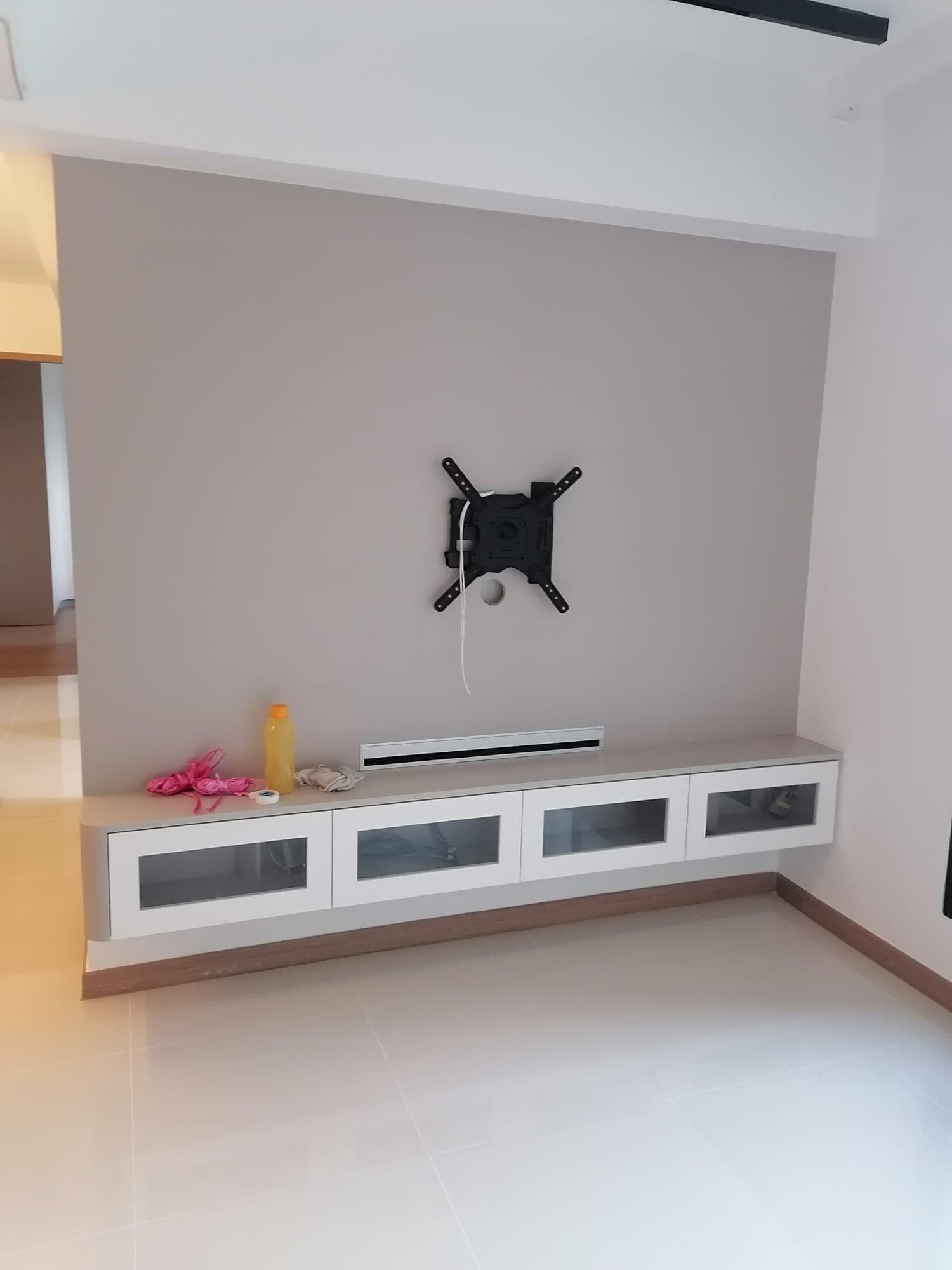
Safe TV Bracket Mounting in Singapore Homes Mounting a television isn’t just about aesthetics—it’s about safety, durability, and comfort. In Singapore flats and condos, wall types vary dramatically, and choosing the wrong anchors or height can lead to costly accidents. This guide explains the differences between concrete and hollow walls, how to mount securely, and the finishing touches that make your setup professional. Understanding Singapore's Structural Concrete Walls In most HDB flats and many condominiums, the external walls, the wall separating your unit from the corridor, and the bomb shelter (storm shelter or household shelter) are constructed from high-strength reinforced concrete. These walls are incredibly dense and strong, designed to withstand significant force. Mounting a TV bracket here requires the right tools and anchors. You will need a hammer drill with a masonry bit—a standard drill will not work. The correct fasteners are heavy-duty masonry bolts or expansion anchors. These are typically made of zinc-plated or stainless steel. Do not use the cheap plastic wall plugs that come with many TV brackets. They are not designed for the weight of a modern TV (which can be 15-30kg or more). For a concrete wall, drill a hole that matches the anchor size (e.g., 8mm or 10mm), clean the dust out of the hole by blowing into it or using a vacuum, then hammer the anchor in and tighten the bolt. The anchor will expand against the concrete, creating a very secure hold. A 32-inch to 65-inch TV on a concrete wall can usually be safely mounted using four correctly sized expansion anchors. Always check the bracket's weight rating and ensure your bolts penetrate at least 40-50mm into the concrete. The Challenge of Hollow Partition Walls Many internal partition walls in Singapore condos and some newer HDB flats are not solid concrete. Instead, they are hollow constructions made of metal or wood studs covered with drywall (gypsum board) or, less commonly, plasterboard. These walls are lightweight and provide no solid material for a standard screw or plug to bite into. Trying to mount a heavy TV directly onto a hollow wall using standard wall plugs is extremely dangerous—the TV can and will pull the screws right out of the wall, causing it to fall and potentially injure someone or destroy the TV. For hollow walls, you need specialized anchors. The two most reliable types are toggle bolts and butterfly anchors. A toggle bolt has spring-loaded wings that fold in. You drill a hole, push the folded wings through, and as they clear the hole, they spring open against the backside of the drywall. When you tighten the bolt, the wings are pulled tight against the inside of the wall, distributing the TV's weight over a wide area. Butterfly anchors work on a similar principle but are often easier to use. For very large TVs (over 50 inches) on a hollow wall, it is highly recommended to locate the metal or wood studs behind the drywall and mount a horizontal wooden or metal rail (a mounting board) across two or three studs. Then, mount the TV bracket to this sturdy rail, completely bypassing the hollow drywall. This is the only truly safe method for heavy loads on hollow walls. Optimal Viewing Height and Final Checks Before you even pick up the drill, determine the ideal mounting height for your TV. A common mistake is mounting the TV too high, like above a fireplace (which we don't have in Singapore) or high on the wall to be "out of the way." The ergonomic standard is that the center of the television screen should be at your eye level when you are seated in your primary viewing position. For most sofas and chairs, this means the bottom of the TV will be roughly 60-80cm from the floor for a 55-inch TV. Sit on your couch, close your eyes, then open them naturally. Where you look straight ahead is your eye line. Mark that point on the wall with a piece of low-tack tape. Then, measure half the height of your TV. Your mounting bracket's horizontal center should be positioned so that the TV's center aligns with your eye-level mark. Use a high-quality spirit level to mark your bracket holes—a crooked TV is distracting and puts uneven stress on the mounts. Once the bracket is installed, hang the TV and test it: gently push the top edge of the TV back towards the wall and try to pull the bottom edge forward. There should be no wobble or movement. If there is, tighten the bracket's tilt adjustment screws. Finally, route your cables neatly using cable covers or a trunking system to prevent tripping hazards and keep your living room looking professional. Extra Pro Tips for Safe Mounting 1. Always check your wall type before buying anchors. 2. Use at least four anchors for TVs above 40 inches. 3. Avoid drilling near electrical wiring—use a detector if possible. 4. For swivel brackets, ensure the anchor rating supports lateral stress. 5. Test the bracket with gentle pressure before hanging the TV. Troubleshooting Common Mistakes • TV feels loose → anchors may not be tightened fully. • Bracket tilts → holes were misaligned; re-check with a level. • Wall cracks → wrong anchor type used; switch to heavy-duty bolts. • Cable mess → use trunking or cable covers for a clean finish.
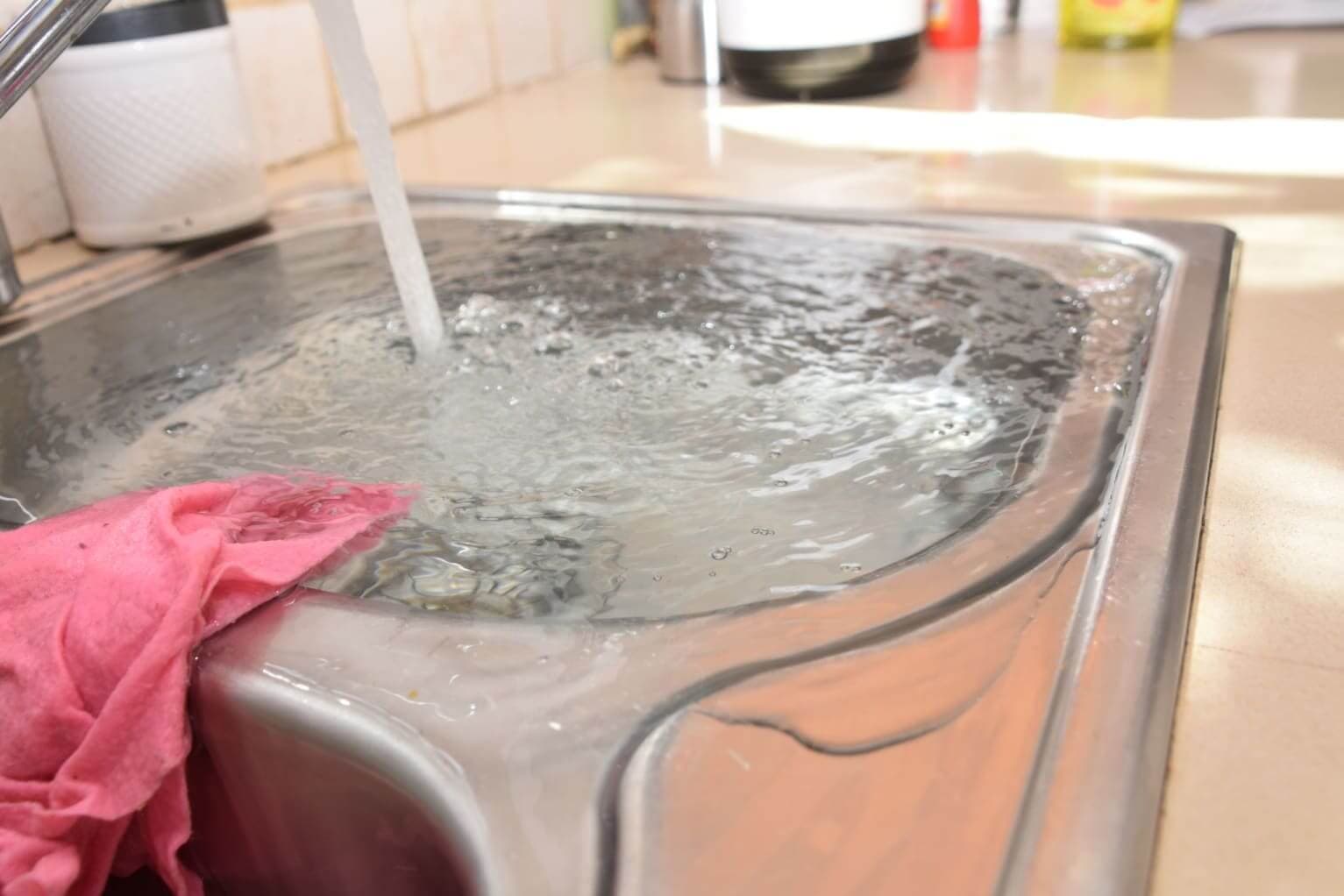
Recognizing Toilet Choke Warnings Early A clogged toilet is one of the messiest and most stressful household emergencies. The good news is that your toilet usually gives you warning signs before a full choke occurs. By learning to spot these signals, you can act early and avoid an overflow disaster. The First Warning: Slow and Abnormal Drainage A toilet in perfect working order will flush with a powerful, predictable swirl, and the water level will return to its normal resting position within seconds. The earliest and most reliable sign of a developing partial blockage is a change in this drainage pattern. You might notice that during a flush, the water rises higher than usual in the bowl—almost to the rim—before very slowly draining away. After the flush, the water level at the bottom of the bowl might be lower than normal, or it might take 30 seconds or more to settle. This "slow drain" indicates that a partial obstruction is lodged in the toilet's built-in S-trap (the curved pipe that holds water to seal out sewer gases). This partial blockage might be a buildup of toilet paper, a small object accidentally dropped in, or a combination of mineral scale and waste. If you ignore this and continue flushing, the next time you have a solid waste flush, the added mass can complete the blockage, leading to an immediate overflow. The key is to act when you first notice the water "hesitating" to go down. Listening for Gurgling Sounds and Air Bubbles Your plumbing system is designed to allow air to flow freely behind the water as it drains. When a blockage exists somewhere in the pipe system—either in the toilet's own trap, the branch pipe leading from the toilet, or the main stack pipe—this airflow is disrupted. As water tries to push past the obstruction, air becomes trapped and is forced back up through the water in the toilet bowl. This creates audible gurgling sounds and visible air bubbles rising up through the standing water. You might hear this gurgling not only when you flush the toilet itself but also when you drain a bathtub, run a washing machine, or use a sink on the same branch line. This is a strong indicator that the blockage is further down the mainline, affecting multiple fixtures. Gurgling sounds are often dismissed as "just noise," but they are actually a serious acoustic warning that your drainage system is struggling. Continuing to use the toilet or other fixtures will only increase the pressure and water volume behind the clog, making a messy backup more likely. If you hear gurgling, stop using all water fixtures on that line and call a professional. Recurring Foul Odors Despite Deep Cleaning A clean toilet should not smell. If you have thoroughly scrubbed the bowl, the rim jets, and the exterior, yet a persistent sewage-like odor returns within hours or days, it is a clear sign of trapped waste. The smell is not coming from the clean bowl; it is wafting up from deeper in the pipe. When a partial clog occurs, solid waste and toilet paper can become snagged on a rough spot inside the pipe or on an old mineral deposit. While water can still flow past, a portion of the waste remains, stuck and slowly decomposing. This decomposition releases hydrogen sulfide gas (the classic "rotten egg" smell) and other odors. No amount of bleach, bowl cleaner, or scented freshener will solve this problem because the source is not in the bowl—it is in the trap or the drain pipe. A standard plunger is often ineffective against these types of adherent partial clogs, as it mainly pushes water back and forth. A professional plumber will use a closet auger (a specialized toilet snake) to physically break up and retrieve the trapped debris or use a high-pressure water jet to scour the pipe walls clean, permanently removing the source of the odor and restoring normal flow. Extra Preventive Tips 1. Never flush wet wipes, sanitary products, or cotton pads—they don’t break down like toilet paper. 2. Teach children not to throw toys or foreign objects into the toilet. 3. Perform a monthly hot water flush to reduce buildup. 4. Use enzyme-based cleaners occasionally to break down organic waste safely. 5. Schedule annual plumbing inspections if your home has older pipes. Troubleshooting Common Toilet Issues • Toilet water level too low → Check if the fill valve is working properly. • Constant running water → May indicate a faulty flapper or fill valve. • Frequent partial clogs → Could be due to mineral deposits; consider professional descaling. • Overflow risk → Shut off the water supply immediately and call a plumber. Final Word Acting early on slow drainage, gurgling sounds, or foul odors can save you from a messy overflow. Combine DIY prevention with occasional professional servicing to keep your toilet system healthy and reliable.
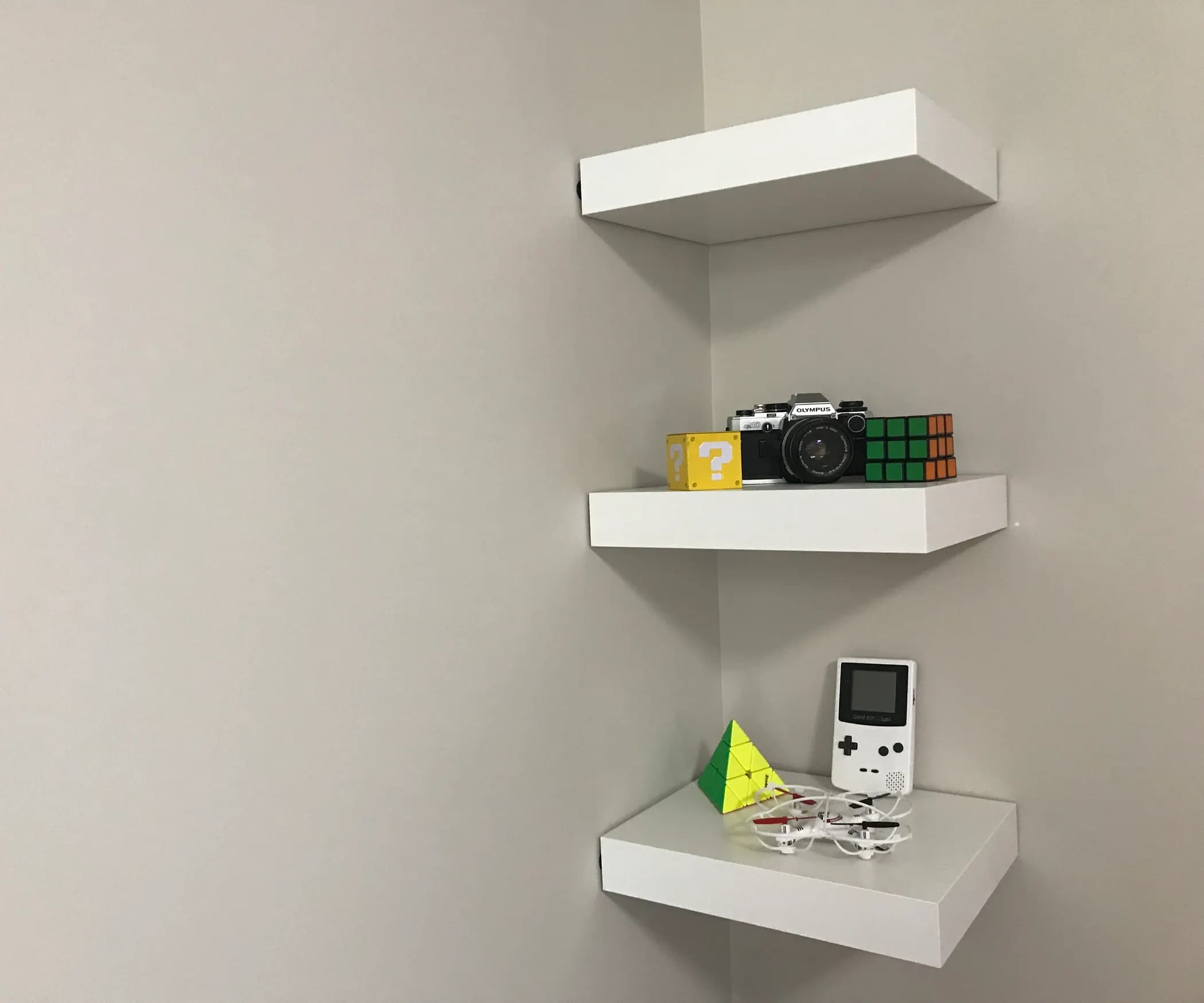
Smart IKEA Shelf Mounting for Small Spaces IKEA shelves are popular for their clean design and affordability, but proper installation is critical. A poorly mounted shelf can sag, collapse, or even damage your wall. With the right preparation, tools, and awareness of wall types, you can achieve a safe, professional finish that lasts. The Non-Negotiable Importance of Precision Leveling IKEA shelves are designed for clean, modern aesthetics, but their minimalist look makes any imperfection highly visible. A shelf that is even slightly off-level will be immediately noticeable, and over time, it will cause items to slide, roll, or fall off. More critically, an unlevel shelf puts uneven stress on the wall anchors and the shelf brackets. The side that is lower will bear more weight, potentially causing the anchor to pull out of the wall or the bracket to bend. To avoid this, invest in a good quality spirit level (at least 60cm / 24 inches long). Never trust your eyes or a phone app level for critical mounting. Use a pencil to mark your first bracket hole after checking level in both directions (horizontal and vertical). For long shelves, use a laser level for perfect alignment across the entire span. When mounting the brackets, place the level on top of the bracket itself before drilling the second hole. After the shelf is up, double-check by placing the level on top of the actual shelf board. A perfectly level shelf is not just about looks; it is about safety and structural integrity. Understanding Weight Limits and Load Distribution Every IKEA shelf bracket and wall anchor has a maximum load rating, but how you place the weight on the shelf is just as important as the total weight. The weakest point of any shelf is the center of the span, furthest from the two brackets. If you load heavy items—such as a row of hardcover books, a stack of dinner plates, or a heavy decorative vase—in the middle of the shelf, you create a strong bending force that can cause the shelf to bow (sag) over time. In the worst case, the shelf board itself can snap, or the leverage can pull the wall anchors out. The correct way to load a shelf is to distribute heavy items directly over the brackets, which transfer the load straight back into the wall. Place your heaviest items near the ends, directly above where the brackets are screwed into the wall. Lighter items, such as picture frames, small plants, or soft toys, can go in the center. If you need to store uniformly heavy items like a full set of encyclopedias, consider using a shelf with a third center bracket or choosing a thicker, solid wood shelf rather than a hollow honeycomb board. Always check IKEA's specific weight limits for the shelf model you are using—they are tested and provided for a reason. Wall Assessment: Why the Generic Plugs Often Fail The plastic wall plugs included in the box with most IKEA shelves are a "one-size-fits-all" solution, but in reality, the walls in Singapore are far from uniform. Those generic plugs are designed for solid brick or standard concrete. They will work perfectly fine in an HDB external wall or a concrete column. However, if you try to use them in a hollow drywall partition (common in many condos and newer rooms), a plasterboard wall, or even an old, crumbly wall, they will fail catastrophically. The plug will have nothing to grip, and the screw will simply pull out as soon as you put any weight on the shelf. You must assess your wall before you even open the IKEA box. Tap on the wall: a solid concrete wall will feel hard and produce a high-pitched, dull thud with no vibration. A hollow wall will sound more like a drum and may even flex slightly under firm finger pressure. For concrete walls, use the included plugs or upgrade to high-quality nylon or polyamide plugs. For hollow drywall, throw the IKEA plugs away and buy toggle bolts, molly bolts, or heavy-duty self-drilling drywall anchors rated for at least 15-20kg per anchor. For very heavy loads on drywall, you must locate and screw into the wooden or metal studs behind the drywall. Drilling a small test hole with a thin drill bit can help you find a stud. Taking the time to match the anchor to the wall type is the single most important step for a safe, permanent installation. Extra Pro Tips for IKEA Shelf Mounting 1. Always pre-drill pilot holes to prevent wall cracking. 2. Use a stud finder to locate secure mounting points in drywall. 3. For long shelves, add a center bracket to reduce sagging. 4. Avoid placing shelves directly above radiators or aircon units—heat and moisture weaken anchors. 5. Keep a small margin between shelf and ceiling for easy loading/unloading. Troubleshooting Common Mistakes • Shelf feels loose → Anchors may not be tightened fully; recheck with a screwdriver. • Shelf sagging → Weight not distributed properly; move heavy items closer to brackets. • Wall plug slipping → Wrong anchor type; switch to toggle bolts or stud mounting. • Shelf crooked → Holes misaligned; re-measure with a spirit level before reinstalling. Final Word IKEA shelves can transform small spaces into organized, stylish storage solutions—but only if mounted correctly. Precision leveling, proper load distribution, and matching anchors to wall type are the three pillars of safe installation. Combine these with regular checks and smart placement, and your shelves will stay sturdy and functional for years.