
Preventing Kitchen and Bathroom Chokes in Singapore Homes
In a tropical city where humidity and daily cooking are constants, clogged drains are one of the most common household headaches. The good news? With a few simple habits and regular maintenance, you can prevent most chokes before they even start. Think of this guide as your quick checklist for keeping water flowing freely.
Kitchen Grease Traps and Food Waste Management
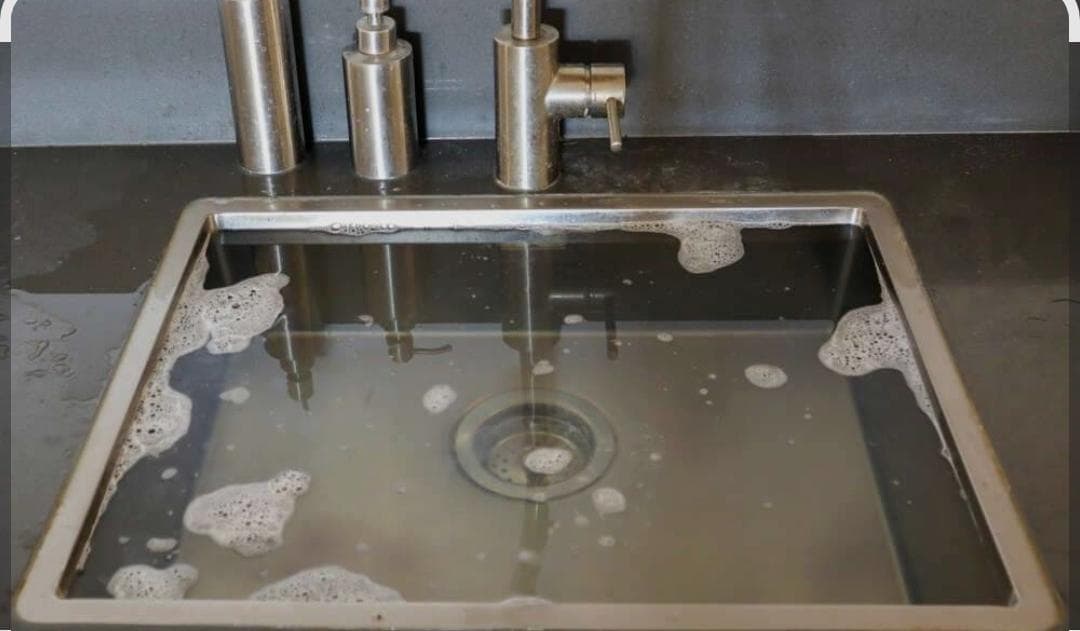
The kitchen sink is the most common source of drainage chokes in Singapore households. The primary culprit is liquid fats, oils, and grease (FOG). When you pour hot oil or greasy pan drippings down the sink, they travel through the pipes as a liquid. As they cool, they solidify and adhere to the inner walls of your pipes, much like cholesterol building up in arteries. Over time, this layer thickens, trapping food particles and eventually creating a complete blockage. To prevent this:
1. Never pour cooking oil or gravy down the drain.
2. Wipe oily pans with paper towels before washing.
3. Use a fine-mesh strainer to catch food scraps.
4. Perform a monthly flush with baking soda + vinegar, followed by boiling water.
5. Avoid chemical drain cleaners—they erode pipes over time.
Bathroom Floor Traps and Shower Drain Maintenance
Bathroom chokes are almost always caused by a combination of hair, soap scum, and body oils. Hair forms a tangled mesh that catches other debris, creating dense clogs deep within the trap. Prevention tips:
• Install a mesh hair catcher over your floor trap.
• Clean the catcher every 2–3 days to avoid odors.
• Remove the trap cover weekly and scrub away sludge.
• Use enzymatic cleaners monthly for eco-friendly maintenance.
Knowing When to Call a Professional for Choke Clearing
DIY methods work for minor clogs, but some blockages require professional tools. Call a plumber if:
- Water drains very slowly despite cleaning.
- You hear gurgling sounds when using other fixtures.
- Persistent sewage-like smells return quickly after cleaning.
Professionals use high-pressure water jetting (3,000 PSI) and inspection cameras to clear deep blockages safely.
Extra Preventive Tips
1. Educate family members not to flush wipes or sanitary products.
2. Keep a small drain snake handy for quick fixes.
3. Schedule annual professional maintenance for older plumbing systems.
4. Consider installing drain covers in laundry areas to catch lint.