
Smart IKEA Shelf Mounting for Small Spaces
IKEA shelves are popular for their clean design and affordability, but proper installation is critical. A poorly mounted shelf can sag, collapse, or even damage your wall. With the right preparation, tools, and awareness of wall types, you can achieve a safe, professional finish that lasts.
The Non-Negotiable Importance of Precision Leveling
IKEA shelves are designed for clean, modern aesthetics, but their minimalist look makes any imperfection highly visible. A shelf that is even slightly off-level will be immediately noticeable, and over time, it will cause items to slide, roll, or fall off. More critically, an unlevel shelf puts uneven stress on the wall anchors and the shelf brackets. The side that is lower will bear more weight, potentially causing the anchor to pull out of the wall or the bracket to bend. To avoid this, invest in a good quality spirit level (at least 60cm / 24 inches long). Never trust your eyes or a phone app level for critical mounting. Use a pencil to mark your first bracket hole after checking level in both directions (horizontal and vertical). For long shelves, use a laser level for perfect alignment across the entire span. When mounting the brackets, place the level on top of the bracket itself before drilling the second hole. After the shelf is up, double-check by placing the level on top of the actual shelf board. A perfectly level shelf is not just about looks; it is about safety and structural integrity.
Understanding Weight Limits and Load Distribution
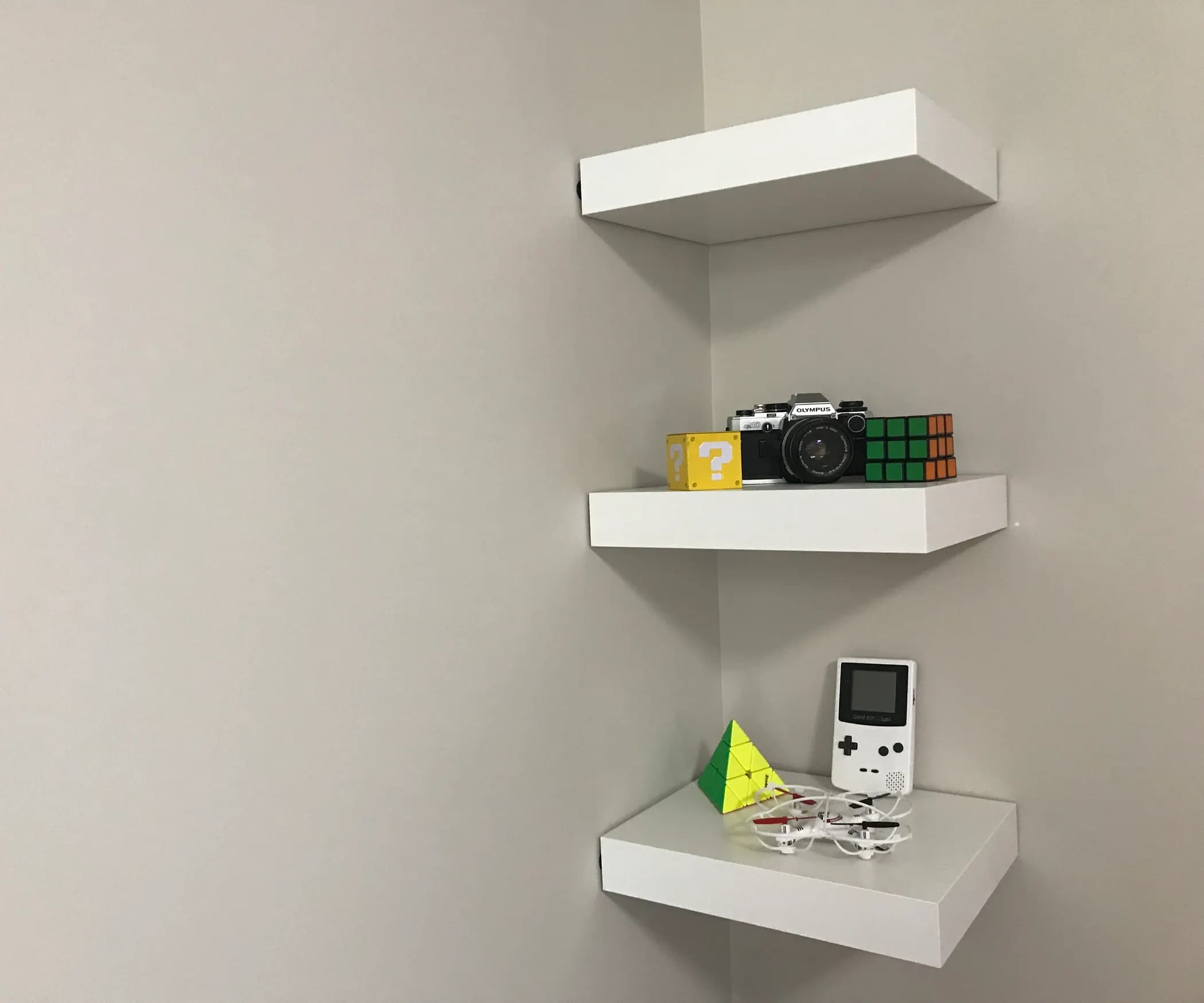
Every IKEA shelf bracket and wall anchor has a maximum load rating, but how you place the weight on the shelf is just as important as the total weight. The weakest point of any shelf is the center of the span, furthest from the two brackets. If you load heavy items—such as a row of hardcover books, a stack of dinner plates, or a heavy decorative vase—in the middle of the shelf, you create a strong bending force that can cause the shelf to bow (sag) over time. In the worst case, the shelf board itself can snap, or the leverage can pull the wall anchors out. The correct way to load a shelf is to distribute heavy items directly over the brackets, which transfer the load straight back into the wall. Place your heaviest items near the ends, directly above where the brackets are screwed into the wall. Lighter items, such as picture frames, small plants, or soft toys, can go in the center. If you need to store uniformly heavy items like a full set of encyclopedias, consider using a shelf with a third center bracket or choosing a thicker, solid wood shelf rather than a hollow honeycomb board. Always check IKEA's specific weight limits for the shelf model you are using—they are tested and provided for a reason.
Wall Assessment: Why the Generic Plugs Often Fail
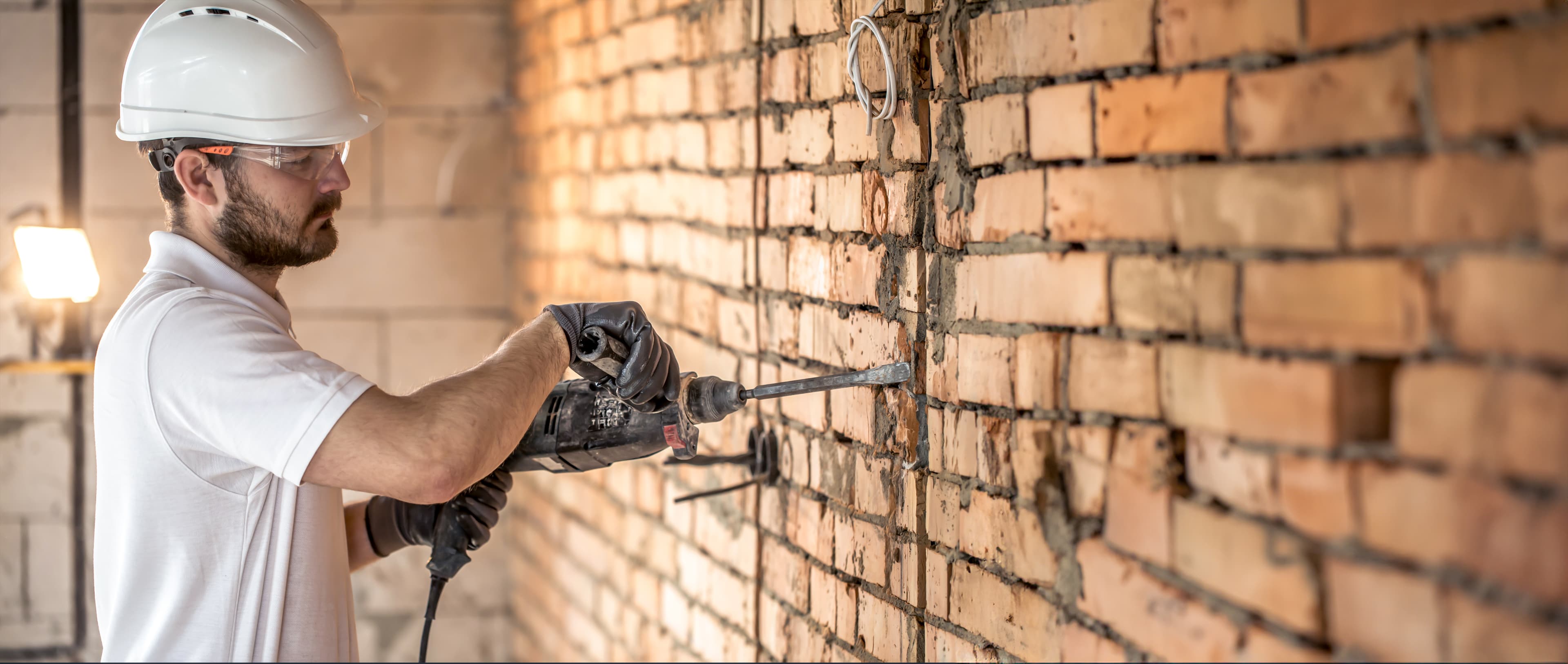
The plastic wall plugs included in the box with most IKEA shelves are a "one-size-fits-all" solution, but in reality, the walls in Singapore are far from uniform. Those generic plugs are designed for solid brick or standard concrete. They will work perfectly fine in an HDB external wall or a concrete column. However, if you try to use them in a hollow drywall partition (common in many condos and newer rooms), a plasterboard wall, or even an old, crumbly wall, they will fail catastrophically. The plug will have nothing to grip, and the screw will simply pull out as soon as you put any weight on the shelf. You must assess your wall before you even open the IKEA box. Tap on the wall: a solid concrete wall will feel hard and produce a high-pitched, dull thud with no vibration. A hollow wall will sound more like a drum and may even flex slightly under firm finger pressure. For concrete walls, use the included plugs or upgrade to high-quality nylon or polyamide plugs. For hollow drywall, throw the IKEA plugs away and buy toggle bolts, molly bolts, or heavy-duty self-drilling drywall anchors rated for at least 15-20kg per anchor. For very heavy loads on drywall, you must locate and screw into the wooden or metal studs behind the drywall. Drilling a small test hole with a thin drill bit can help you find a stud. Taking the time to match the anchor to the wall type is the single most important step for a safe, permanent installation.
Extra Pro Tips for IKEA Shelf Mounting
1. Always pre-drill pilot holes to prevent wall cracking.
2. Use a stud finder to locate secure mounting points in drywall.
3. For long shelves, add a center bracket to reduce sagging.
4. Avoid placing shelves directly above radiators or aircon units—heat and moisture weaken anchors.
5. Keep a small margin between shelf and ceiling for easy loading/unloading.
Troubleshooting Common Mistakes
• Shelf feels loose → Anchors may not be tightened fully; recheck with a screwdriver.
• Shelf sagging → Weight not distributed properly; move heavy items closer to brackets.
• Wall plug slipping → Wrong anchor type; switch to toggle bolts or stud mounting.
• Shelf crooked → Holes misaligned; re-measure with a spirit level before reinstalling.
Final Word
IKEA shelves can transform small spaces into organized, stylish storage solutions—but only if mounted correctly. Precision leveling, proper load distribution, and matching anchors to wall type are the three pillars of safe installation. Combine these with regular checks and smart placement, and your shelves will stay sturdy and functional for years.