Recognizing Toilet Choke Warnings Early
A clogged toilet is one of the messiest and most stressful household emergencies. The good news is that your toilet usually gives you warning signs before a full choke occurs. By learning to spot these signals, you can act early and avoid an overflow disaster.
The First Warning: Slow and Abnormal Drainage
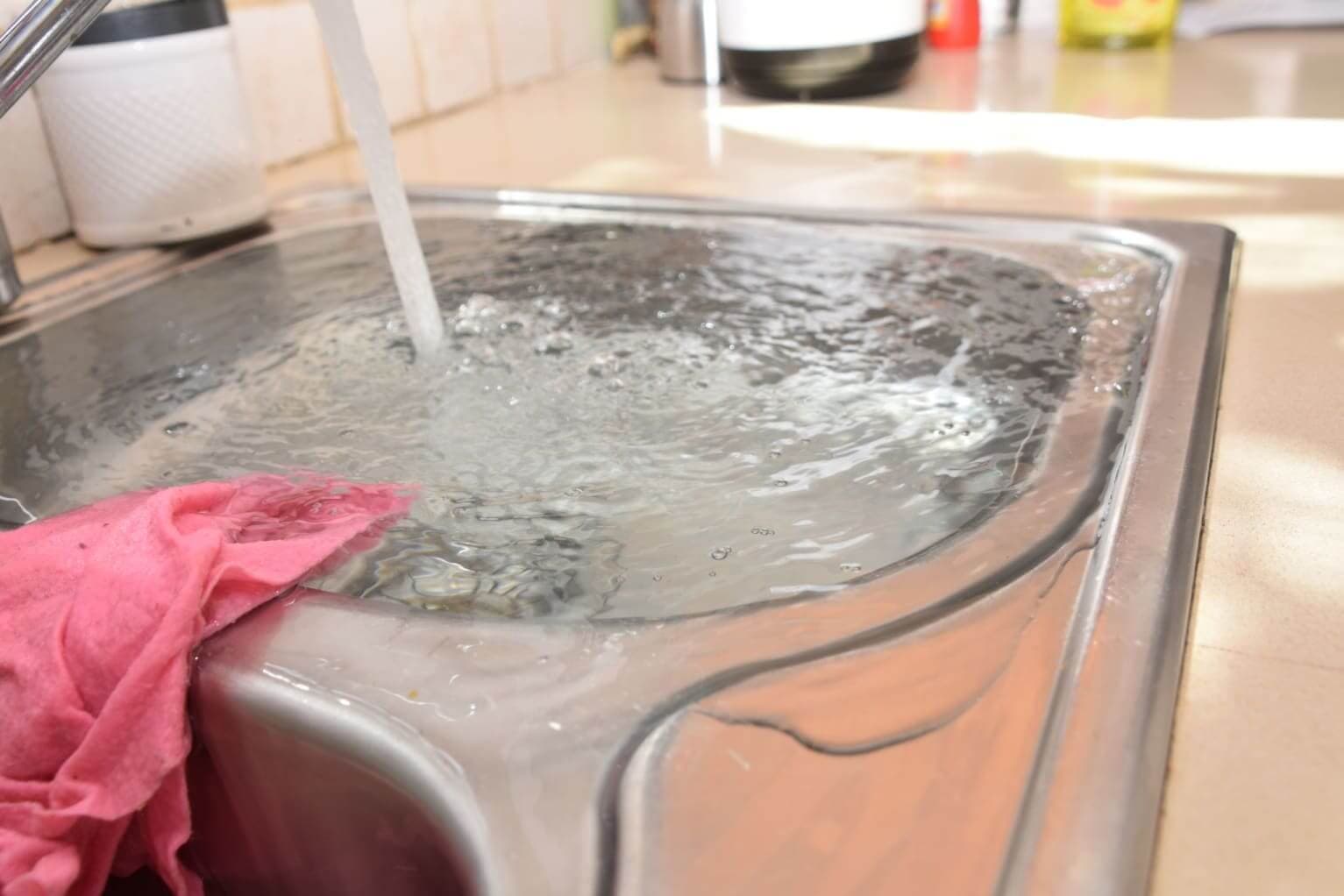
A toilet in perfect working order will flush with a powerful, predictable swirl, and the water level will return to its normal resting position within seconds. The earliest and most reliable sign of a developing partial blockage is a change in this drainage pattern. You might notice that during a flush, the water rises higher than usual in the bowl—almost to the rim—before very slowly draining away. After the flush, the water level at the bottom of the bowl might be lower than normal, or it might take 30 seconds or more to settle. This "slow drain" indicates that a partial obstruction is lodged in the toilet's built-in S-trap (the curved pipe that holds water to seal out sewer gases). This partial blockage might be a buildup of toilet paper, a small object accidentally dropped in, or a combination of mineral scale and waste. If you ignore this and continue flushing, the next time you have a solid waste flush, the added mass can complete the blockage, leading to an immediate overflow. The key is to act when you first notice the water "hesitating" to go down.
Listening for Gurgling Sounds and Air Bubbles
Your plumbing system is designed to allow air to flow freely behind the water as it drains. When a blockage exists somewhere in the pipe system—either in the toilet's own trap, the branch pipe leading from the toilet, or the main stack pipe—this airflow is disrupted. As water tries to push past the obstruction, air becomes trapped and is forced back up through the water in the toilet bowl. This creates audible gurgling sounds and visible air bubbles rising up through the standing water. You might hear this gurgling not only when you flush the toilet itself but also when you drain a bathtub, run a washing machine, or use a sink on the same branch line. This is a strong indicator that the blockage is further down the mainline, affecting multiple fixtures. Gurgling sounds are often dismissed as "just noise," but they are actually a serious acoustic warning that your drainage system is struggling. Continuing to use the toilet or other fixtures will only increase the pressure and water volume behind the clog, making a messy backup more likely. If you hear gurgling, stop using all water fixtures on that line and call a professional.
Recurring Foul Odors Despite Deep Cleaning
A clean toilet should not smell. If you have thoroughly scrubbed the bowl, the rim jets, and the exterior, yet a persistent sewage-like odor returns within hours or days, it is a clear sign of trapped waste. The smell is not coming from the clean bowl; it is wafting up from deeper in the pipe. When a partial clog occurs, solid waste and toilet paper can become snagged on a rough spot inside the pipe or on an old mineral deposit. While water can still flow past, a portion of the waste remains, stuck and slowly decomposing. This decomposition releases hydrogen sulfide gas (the classic "rotten egg" smell) and other odors. No amount of bleach, bowl cleaner, or scented freshener will solve this problem because the source is not in the bowl—it is in the trap or the drain pipe. A standard plunger is often ineffective against these types of adherent partial clogs, as it mainly pushes water back and forth. A professional plumber will use a closet auger (a specialized toilet snake) to physically break up and retrieve the trapped debris or use a high-pressure water jet to scour the pipe walls clean, permanently removing the source of the odor and restoring normal flow.
Extra Preventive Tips
1. Never flush wet wipes, sanitary products, or cotton pads—they don’t break down like toilet paper.
2. Teach children not to throw toys or foreign objects into the toilet.
3. Perform a monthly hot water flush to reduce buildup.
4. Use enzyme-based cleaners occasionally to break down organic waste safely.
5. Schedule annual plumbing inspections if your home has older pipes.
Troubleshooting Common Toilet Issues
• Toilet water level too low → Check if the fill valve is working properly.
• Constant running water → May indicate a faulty flapper or fill valve.
• Frequent partial clogs → Could be due to mineral deposits; consider professional descaling.
• Overflow risk → Shut off the water supply immediately and call a plumber.
Final Word
Acting early on slow drainage, gurgling sounds, or foul odors can save you from a messy overflow. Combine DIY prevention with occasional professional servicing to keep your toilet system healthy and reliable.