
Drilling Into Tiles Without Cracks
In Singapore homes, bathroom and kitchen tiles are often glossy, dense, and unforgiving. A single mistake can leave you with a cracked tile that is costly to replace. With the right preparation and technique, you can mount accessories safely and professionally. This guide covers the essentials and adds practical tips you can follow step by step.
Identifying Your Tile Type: The First Critical Step
Not all tiles are created equal, and using the wrong drill bit is the number one cause of cracked, shattered tiles. In Singapore homes, you will most commonly encounter two types: ceramic and porcelain. Ceramic tiles are made from red or white clay and are fired at a lower temperature. They are more porous and softer, making them easier to drill. Porcelain tiles, on the other hand, are made from finer, denser clay and fired at extremely high temperatures. This makes them harder, less porous, and much more brittle. To tell them apart, look at the unglazed edge or back of a spare tile. Ceramic will have a more porous, often reddish or lighter-colored body. Porcelain will look very dense, glassy, and often the same color all the way through. For ceramic tiles, you need a carbide-tipped masonry bit. For porcelain, you absolutely must use a diamond-tipped drill bit. Diamond bits grind through the hard surface rather than cracking it. Attempting to use a standard metal or even carbide bit on porcelain will generate intense heat, dull the bit instantly, and almost certainly crack the tile.
The Masking Tape Trick for Slip-Free Drilling
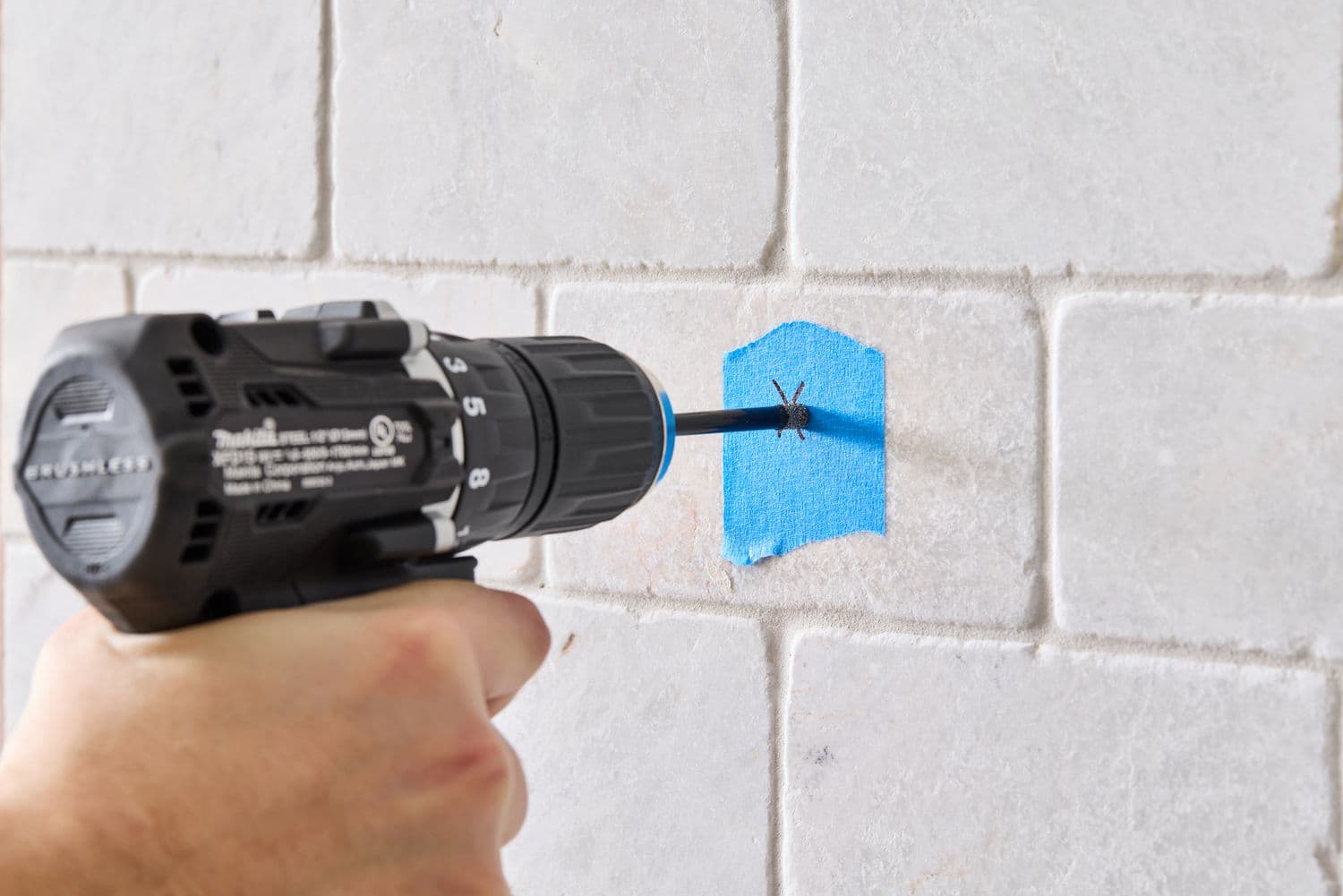
One of the most frustrating and common mistakes is the drill bit "walking" or sliding across the smooth, glossy surface of a tile as you start drilling. This slip can leave deep, ugly scratches or cause the drill to suddenly jump and hit the tile edge, cracking it. The simple and effective solution is the masking tape method. Cut a small square of standard painter's masking tape (blue tape works best as it leaves no residue). Press it firmly onto the exact spot where you want the hole. Then, using a permanent marker, draw a small cross or dot on the tape to mark your drilling point. The texture of the tape gives the drill bit enough grip to bite into the surface without sliding. Start drilling at the lowest speed setting on your drill, applying very light, consistent pressure. You are not trying to drill deep; your first goal is simply to create a small indentation through the tape and through the tile's glaze. Once the glaze is pierced, you can increase the speed slightly and continue drilling through the tile body. This method is especially crucial for bathroom and kitchen walls where tiles are highly polished.
Heat Management and Drilling Technique
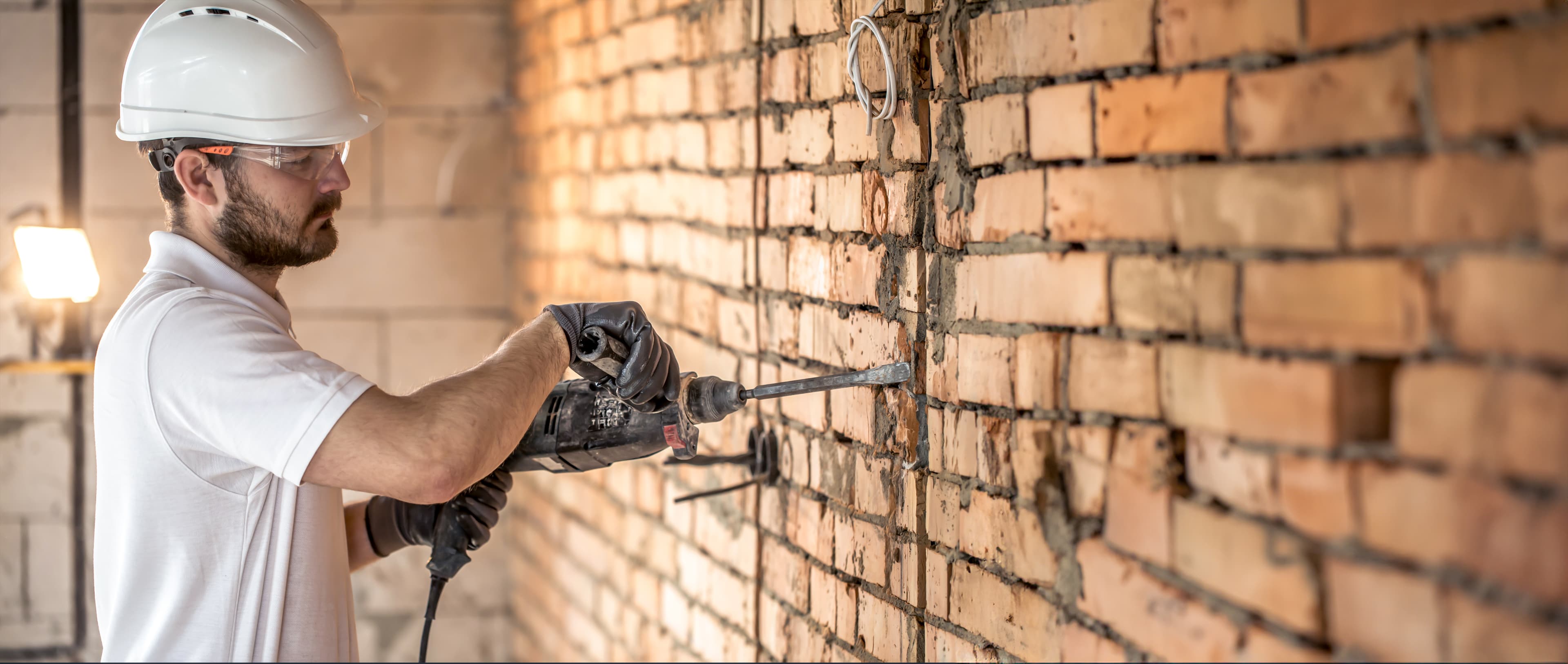
Heat is the silent enemy when drilling into tiles. As the drill bit spins against the hard, dense material, friction generates significant heat. This heat can cause the tile to expand unevenly and crack, or it can rapidly dull and destroy your expensive drill bit. The key is to drill slowly and in short bursts. Never drill at full speed continuously for more than 5-10 seconds. Use a spray bottle filled with water to mist the drill point every few seconds. For a more controlled approach, have a helper slowly dribble a small stream of water onto the drilling spot while you work. This keeps the temperature down and washes away dust, allowing the bit to cut more efficiently. Also, do not force the drill. Let the bit do the work. If you feel the drill struggling or see smoke or dust browning, you are applying too much pressure or going too fast. Finally, once you have drilled through the tile and hit the softer material behind (concrete or plaster), switch to a standard hammer drill mode and a regular masonry bit to finish the hole for the wall plug. This two-bit approach saves your expensive diamond or carbide bit for the job it was made for—the tile itself.
Extra Pro Tips for Crack-Free Mounting
1. Always mark your drilling spot with precision—measure twice, drill once.
2. Keep spare tiles handy in case of accidental cracks.
3. Use protective eyewear and gloves; tile shards can be sharp.
4. Avoid drilling near tile edges or grout lines, as these are weak points.
5. For heavy fixtures, use wall plugs or anchors rated for tile and concrete.